
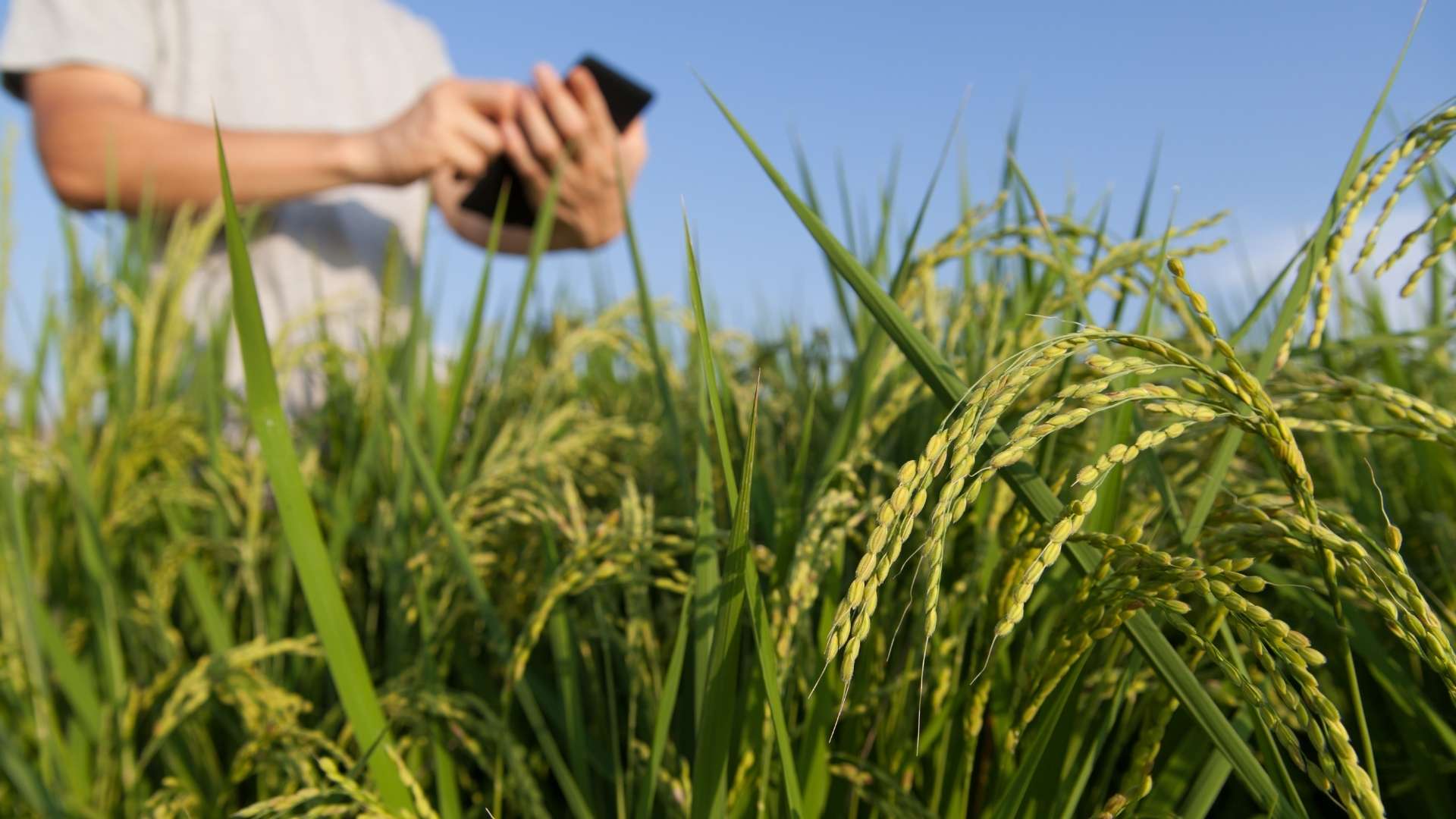
The phrase “plant breeding” might conjure old images of farmers cross-pollinating plants by hand. But today, Spain is entering a new era — one where genetic modification and biotechnology aren’t just buzzwords, but tools driving resilience, nutrition, and sustainability in agriculture.
A Quiet Revolution in the Fields
In Extremadura, fields are becoming laboratories. Thanks to breakthroughs in agricultural biotechnology, scientists and farmers are creating crop varieties that can thrive under extreme heat, resist diseases, and mature faster — all while preserving flavor and nutritional value.
Unlike traditional GMOs, new plant breeding techniques (NPBTs) like CRISPR are more precise. They allow for subtle edits within a plant’s existing genome, speeding up the breeding process while avoiding foreign gene insertion. This is a game-changer for crops like tomatoes, olives, and wheat — staples of the Spanish agricultural economy.
Plasencia as a Bio-Agritech Testbed
In collaboration with local cooperatives, Agro Invest Spain is supporting pilot projects to develop drought-tolerant legumes and pest-resistant vegetables. These projects are designed not just for labs, but for real farm conditions — under real economic pressures.
One such initiative has seen the creation of a tomato variant that needs 30% less water, an absolute lifeline in increasingly dry seasons.
Rethinking “Genetic Modification”
The conversation around genetic modification is evolving. Rather than seeing it as a threat, forward-thinking farmers are beginning to understand it as a necessary evolution — a way to future-proof agriculture.
Investors are taking notice. With regulatory frameworks in the EU gradually adapting, there’s growing support for biotech-driven agriculture that balances innovation with ethics.
All rights of this content prepared by Api Group Agro Inversiones SL (“API Group”) belong to API Group. These rights are protected and the partial or complete copying, reproduction, distribution, processing or use of the content in any way without permission and without reference will result in legal and criminal liability of individuals.